
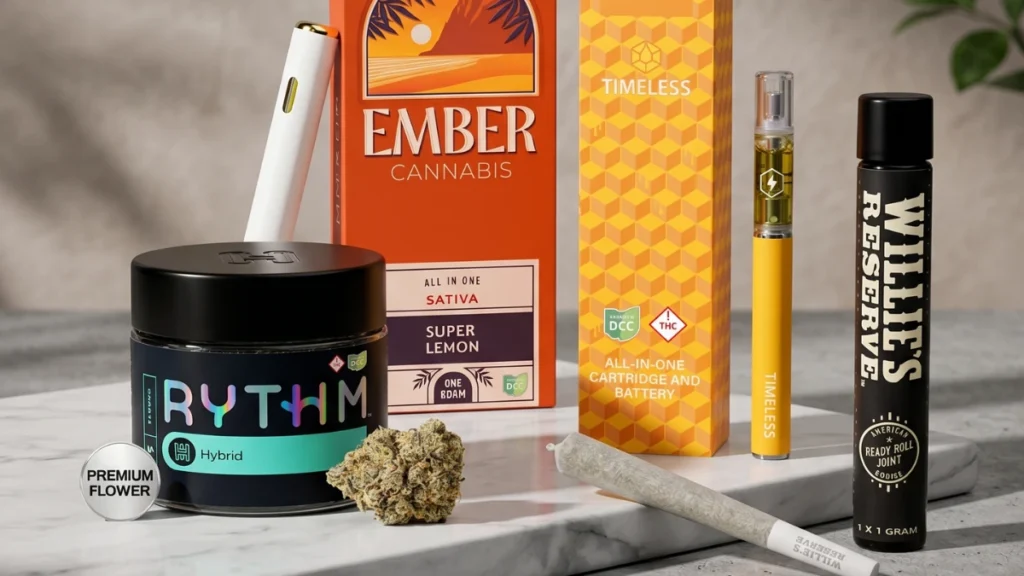
There's a lot of content out there telling you which cannabis products "go together." Most of it is based on vibes — or, at best, a budtender's gut instinct from a few months on the floor.
We wanted to know what actually happens at the register.
So we pulled transaction data from our own point-of-sale system — thousands of multi-product purchases — and looked at which product combinations our customers actually buy together. Not what sounds good in theory. What people are genuinely reaching for when they shop.
Here's what we found.
Most customers buy more of what they already know
Before we get to the interesting cross-category combinations, here's the thing that jumps out first in the data: the most common "pairing" isn't really a pairing at all.
Two flower purchases together and two vape purchases together are, by a significant margin, the top two transaction patterns in our multi-unit data. Combined, they account for nearly half of all the multi-product transactions we looked at.
In other words: when most customers buy more than one thing, they're buying more of whatever they already came in for.
That makes sense when you think about it. If flower is your format, you might grab two jars to avoid a mid-week trip back. If you're a vape person, picking up a backup cartridge is just practical planning. These aren't experimental pairings — they're stocking-up behaviors.
This matters because it reframes the whole idea of "product pairings." A lot of people assume that buying multiple products means experimenting with something new. The data says otherwise. Most multi-product shopping is about security, not adventure.
If you're newer to cannabis and you've found something that works for you, this is genuinely useful permission: there's no obligation to branch out. Plenty of experienced customers don't.
The combination that shows up most across different categories — flower + vape
Once you filter for transactions where customers actually crossed into a different product category, one combination leads by a wide margin: one flower product paired with one vape.
This cross-category pairing accounts for about 11% of the multi-product transactions we tracked — and it beat every other cross-category combination by a meaningful gap. The next closest were flower + preroll and flower + an oral consumable like an edible.
Why does flower + vape make such intuitive sense? Our budtenders have a working theory that tracks with the numbers: these two formats serve different moments in a way that's genuinely complementary. Flower tends to be a home-use product — you grind it, pack it, take your time with it. A vape is portable, discreet, and fast. Customers who want flexibility across different settings often reach for both.
It's not about one being "stronger" or one being "better." It's about having options that fit different parts of your routine.
Prerolls get bought in packs more than most people expect
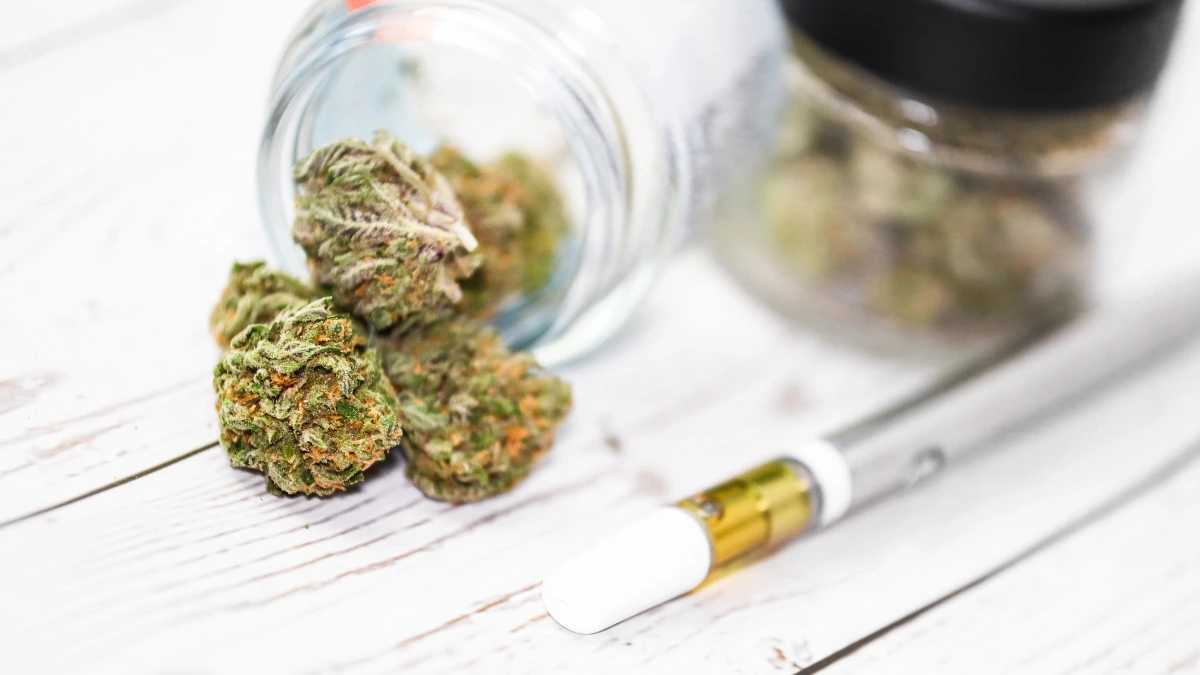
The fourth most common multi-product pattern in our data is two prerolls — and the margin between it and the top three is smaller than you'd think.
Prerolls are often thought of as an impulse add-on. Grab one on your way out. Something to try. The data tells a different story: customers who buy prerolls frequently buy more than one at a time, and they do it consistently enough that it's a clear pattern rather than a quirk.
This tracks with something budtenders notice on the floor. Once a customer finds a preroll they like — a specific brand, a specific cultivar, a specific format — they tend to buy it in multiples. It's the same stock-up logic as the double-flower or double-vape behavior, just applied to a product most people still think of as a single-serve item.
If you've found a preroll you genuinely like, buying two isn't overcommitting. It's just sensible.
Flower is the anchor of almost every cross-category basket
Look at the full list of cross-category pairings in our data and one thing stands out immediately: flower shows up in nearly all of them.
Flower paired with vape. Flower paired with prerolls. Flower paired with edibles. Across the combinations we tracked, flower appears as one half of the pairing more often than any other product category — and those flower-anchored baskets together represent close to half of all the cross-category transactions we looked at.
No other category comes close to that kind of versatility.
The practical takeaway for customers is straightforward: if you're a flower shopper and you're curious about branching out, you don't have to start from scratch. You're already holding the most naturally combinable product in the store. Most of the common pairings start with you.
A combination that rarely comes together — vape + edibles
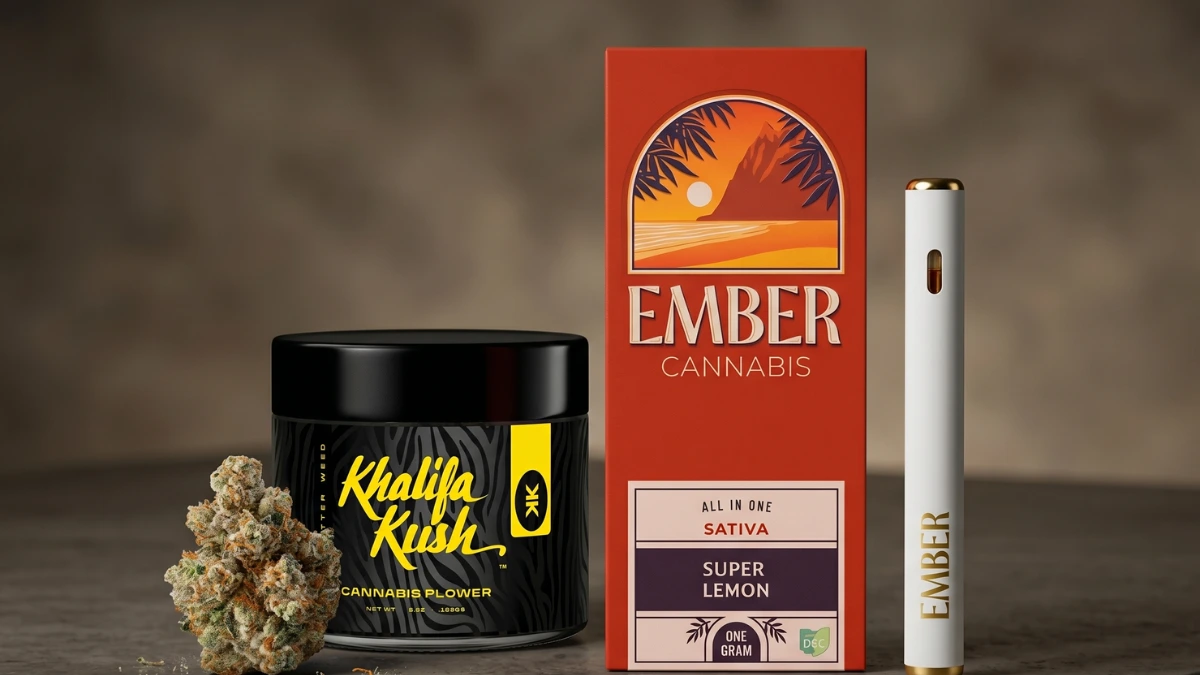
Not every combination shows up equally in the data. The least common cross-category pairing we tracked is vape products paired with oral consumables like edibles — and the gap between it and the other pairings is notable.
This is worth paying attention to, even if it's just an observation rather than a rule. Vape and edibles don't share as much customer overlap as you might expect given how popular both categories are on their own. Both show up frequently in same-category doubles. They just don't land in the same basket very often.
One possible explanation: these formats tend to appeal to customers with different priorities. Vape users often gravitate toward speed and control — you get relatively quick feedback and can stop easily. Edibles work on a longer timeline, with effects that build gradually and last longer. For customers who are already comfortable managing one of those timelines, layering in the other on the same shopping trip might feel like more than they want to navigate.
That's not a reason to avoid the combination. It's just context for why it shows up less often — and a reminder that product choices tend to reflect what fits your actual routine, not just what sounds interesting.
What this means when you're building your own basket
The patterns in this data add up to a few things that are genuinely useful to know when you're shopping.
Start with what you already trust. The majority of multi-product purchases are people doubling down on their preferred format. There's real wisdom in that — knowing your format and sticking with it is a reasonable strategy, not a lack of imagination.
If you're going to cross categories, flower is a natural starting point. It pairs with more different product types than anything else in our data. If you're a flower shopper wondering what to try next, you're already holding the most versatile item in the store.
Prerolls reward committing. If you've found one you like, the data suggests buying more than one at a time is common behavior — not extravagance.
And don't force a combination that doesn't fit your routine. The vape + edibles example is a good reminder that lower overlap between two categories usually means those products serve genuinely different use cases. A combination that sounds interesting in theory isn't always the one that makes sense for how you actually use cannabis.
When in doubt, ask your budtender what they see customers buying together. The register data is informative. The conversation is even better.
Transaction data reflects aggregate multi-product purchase patterns from Bloom's point-of-sale system. Data covers Ohio locations, May 2026. All figures represent share of multi-unit or multi-category transactions within the analyzed subset.
