

You've probably heard the shorthand: sativa for daytime, indica for night. It's not wrong exactly, but it's not the whole picture either — and if you've ever grabbed something labeled sativa and still ended up glued to the couch, you already know that.
What our budtenders actually look for when someone asks for daytime cannabis is more specific than a category label. It starts with terpenes.
Why "daytime" cannabis is really a terpene question
The sativa/indica distinction tells you something about a plant's structure and lineage, but it doesn't guarantee how a product will feel. A better predictor — at least in our budtenders' daily experience at the counter — is the terpene profile on the label.
Terpenes are the aromatic compounds in cannabis that contribute to how it smells, but they also appear to play a role in how each strain feels. If you want to go deeper on the science behind them, our terpenes guide on the education hub covers the full picture. Here, we're going to stay focused on the practical: which terpenes are our budtenders actually watching for when you ask for something functional?
The terpene trio budtenders look for
Bloom budtender Charlie B has a clear answer when customers walk in asking for something that won't knock them out:
"When it comes to best daytime cannabis picks for flower, we focus on strains with terpene profiles of limonene, pinene, and terpinolene."
Here's what each one brings:
Limonene has a citrus scent and is associated with uplifted, energetic feelings. You'll see it in a lot of daytime-friendly strains.
Alpha-pinene and beta-pinene smell like fresh pine and are thought to support alertness and memory retention — some early research suggests pinene may help counteract short-term memory effects sometimes associated with THC, though more study is needed.
Terpinolene is a little harder to describe — it's floral, herbal, sometimes a bit woody. It tends to show up in strains people describe as "heady" rather than sedating.
None of these guarantees a specific experience. Everyone's endocannabinoid system is different, and dose always matters. But if you're standing at a dispensary counter trying to choose between two sativa-leaning options, flipping to the terpene panel and looking for this trio is a much better filter than relying on category labels alone.
Flower: lineage tells you where to start
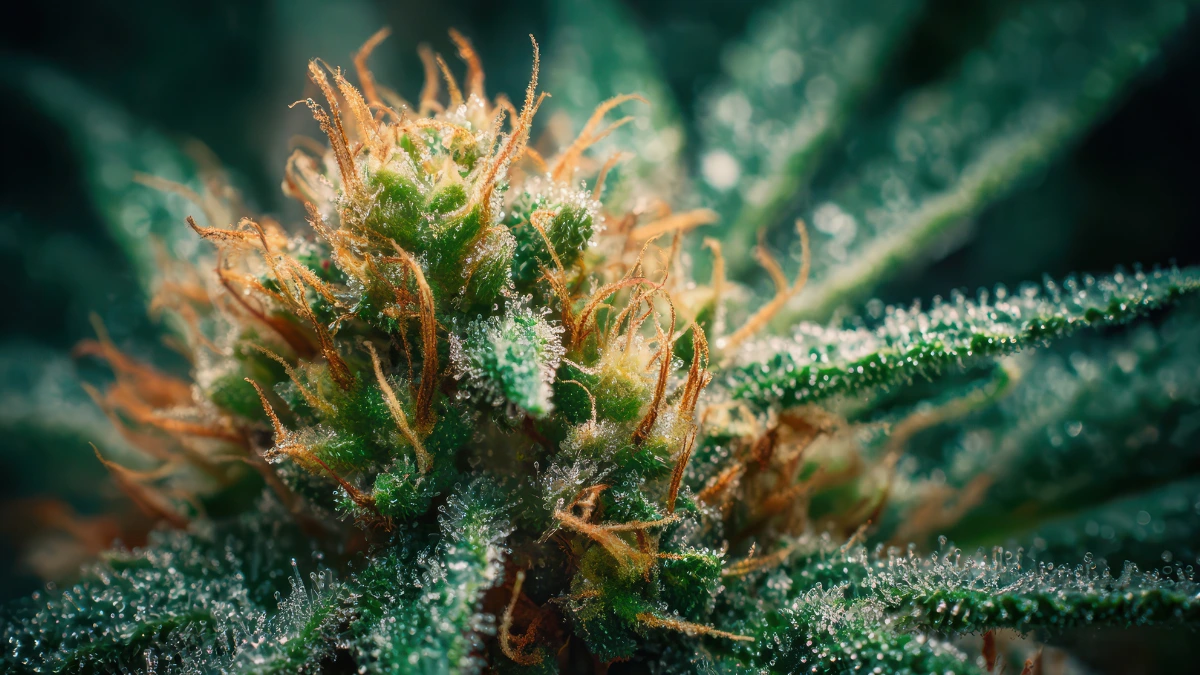
Charlie also looks at lineage when helping customers find a daytime flower. Certain strains have become anchors in this space precisely because their terpene profiles tend to come through consistently in crosses and descendants:
"It also helps if they have a strong lineage of strains known for their energizing and focus, such as Sour Diesel, Jack Herer, Durban Poison."
Sour Diesel is one of the most recognized daytime strains in cannabis culture — a fuel-forward, cerebral smoke with a limonene-heavy profile. Jack Herer is a classic known for clear-headed, creative focus. Durban Poison is a pure landrace with a terpinolene-dominant profile that many people describe as one of the cleanest energizing experiences they've had.
You may not always find these exact strains on the menu where you shop. What you can do is ask your budtender whether a strain carries lineage from any of these — or pull up the lab panel on your state's menu and look for the terpene trio above.
If you're in Ohio and want a starting point for sativa-leaning options, Bloom's best sativa strains guide for Ohio is a good place to browse before you come in.
Vapes: faster onset, more product variety
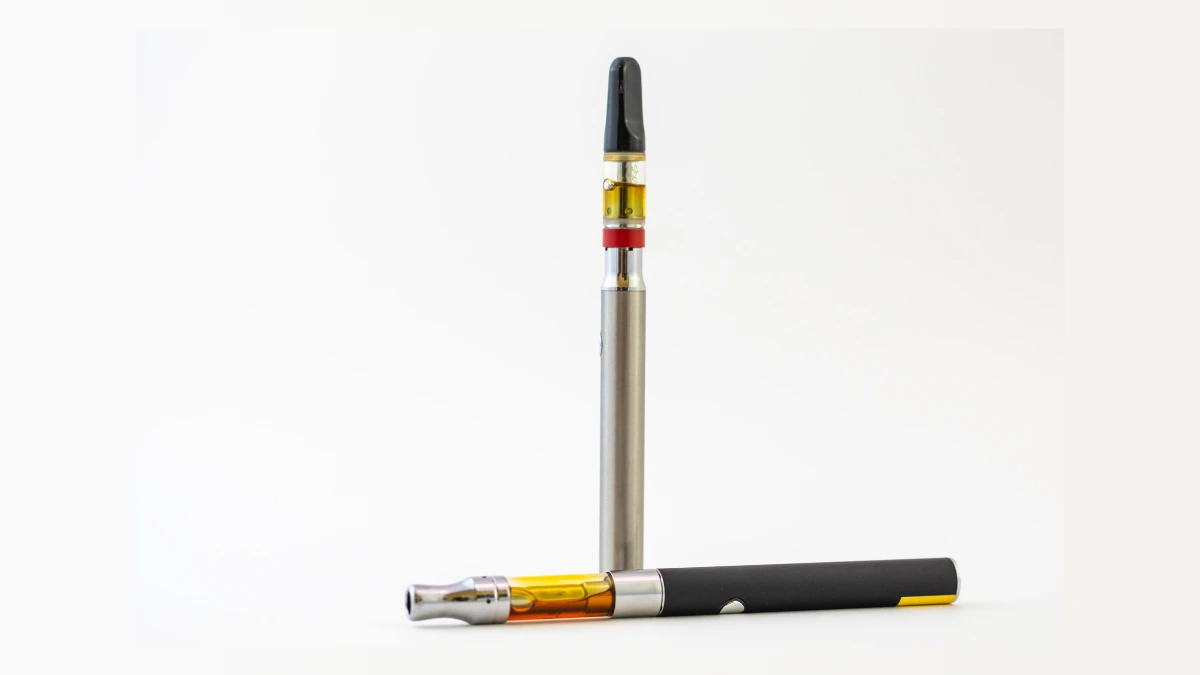
Vapes follow the same terpene logic as flower — limonene, pinene, and terpinolene are still the markers to look for on the label. The main practical difference is that vapes tend to kick in faster and taper off more quickly than flower, which can make them easier to calibrate during the day.
One format worth noting: vapes that incorporate CBG (cannabigerol) alongside THC. CBG is a minor cannabinoid that some people find adds a cleaner, clearer quality to the experience. Charlie sees these as one of the better options for daytime variety, particularly for customers who want something more nuanced than a standard THC cart. As with anything, availability varies by state and dispensary — ask what's currently in stock and whether a CBG-containing option is available.
Terpene-infused distillate carts and live resin carts tend to carry more complete terpene profiles than standard distillate, which may translate to a more true-to-strain experience.
Edibles: why microdosing changes the daytime calculation
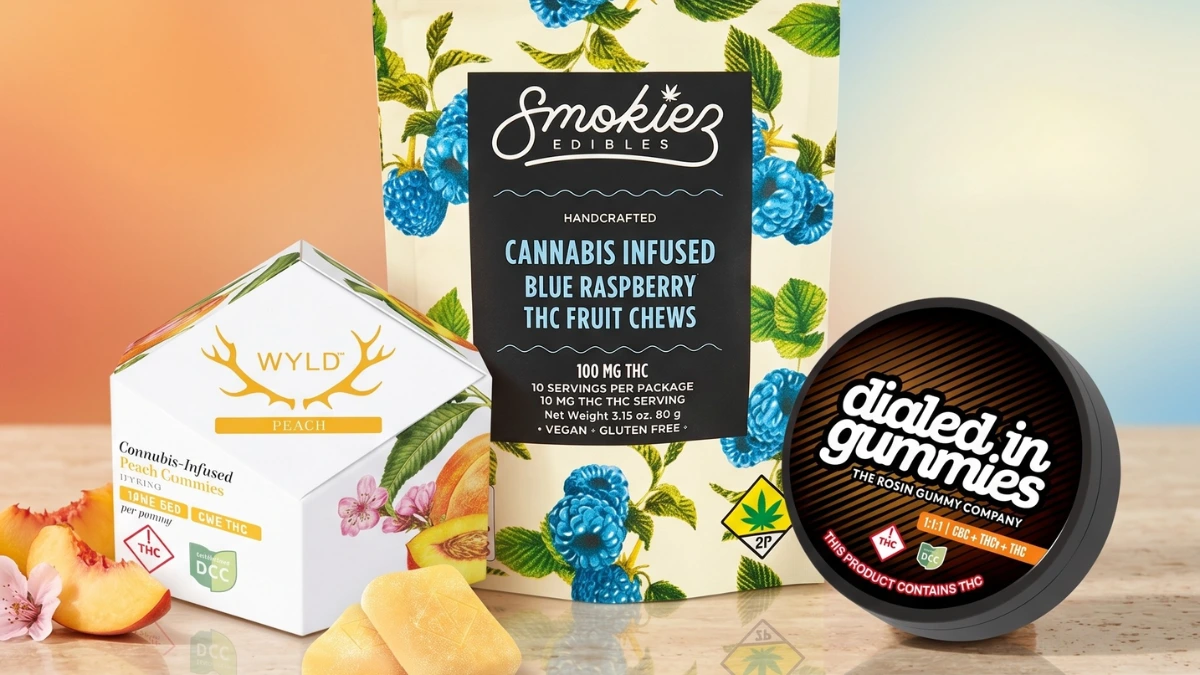
Edibles and daytime use don't always get mentioned together, but Charlie makes a case for them — at the right dose:
"For edibles we recommend microdosing, so a 5mg or 10mg dose. A 1:1 ratio of THC to CBD or CBG also works very well."
The reason this works is partly math, partly biology. At lower doses — 5mg especially — most people experience a much gentler onset and a shorter, more manageable duration than they would at 10mg or above. A 1:1 THC:CBD product adds another layer: CBD is thought to interact with THC in ways that many people find produces a more clear-headed, balanced experience than THC alone.
THC:CBG ratios are worth asking about as well. CBG works differently than CBD, and some customers find it an even better pairing for daytime use — more focus-forward, less relaxation-leaning.
One important note: edibles metabolize through the liver, which means onset is slower (anywhere from 30 minutes to 2 hours depending on your metabolism and whether you've eaten). Plan accordingly, and wait to feel the full effect before redosing. The "I don't feel anything yet" extra gummy is how daytime quickly becomes afternoon nap.
How to shop for daytime cannabis
You don't need to memorize every terpene or strain. You just need to know what to say when you get to the counter.
Try something like: "I'm looking for something I can use during the day without feeling too heavy — do you have anything with limonene, pinene, or terpinolene?"
Any good budtender can run with that. If terpene data isn't available on the menu, asking about Sour Diesel or Jack Herer lineage gives them a similar starting point.
A few additional things worth knowing before you go:
- Check the total THC. Even the most energizing terpene profile can feel sedating at high enough doses. If you're newer to cannabis or sensitive to THC, lean toward lower-potency options.
- Start lower than you think you need to. This is especially true for edibles. Give yourself a full session at 5mg before moving to 10mg.
- Tell your budtender if you're also a medical patient. The right daytime product for someone managing chronic pain may look different from what's right for a rec customer who just wants to stay productive.
In states where cannabis is legal, a licensed dispensary is the best place to have this conversation. If you're near one of Bloom's Ohio locations, the budtenders there can pull up current inventory and help you find something in stock. Maryland patients and customers can visit Bloom's Germantown dispensary for the same kind of guidance.
Frequently asked questions
Is sativa always the better choice for daytime use?
Not necessarily. The sativa label describes plant structure, not guaranteed effects. Terpene profile is a more reliable guide — specifically limonene, pinene, and terpinolene. A sativa-labeled product with a sedating terpene profile may still leave you feeling sluggish, while a hybrid with the right terpenes can be a great daytime choice.
Can I use a low-dose edible during the day?
Many people do. A 5mg THC dose affects most people much more mildly than a 10mg or higher dose — the onset is gentler and the duration shorter at low doses, which can make it easier to stay functional. A 1:1 THC:CBD or THC:CBG ratio may also moderate intensity. Everyone's metabolism and tolerance are different, so it's worth starting at the lowest dose and seeing how your body responds before committing to daytime use.
Does CBD in an edible reduce the daytime high?
CBD is thought to interact with some of the same receptors as THC, and many people find that a balanced THC:CBD ratio produces a less intense, more clear-headed experience compared to THC alone. Research is still ongoing, but anecdotally this is one of the main reasons budtenders recommend 1:1 products for daytime or microdose use.
This article is for informational purposes only and is not medical advice. Cannabis affects individuals differently. Consult a qualified healthcare provider before using cannabis, especially if you have a medical condition, are pregnant or breastfeeding, or take prescription medications. Cannabis laws and available products vary by state — check your local regulations. Do not drive or operate machinery while using cannabis. Keep cannabis products out of reach of children and pets.
