
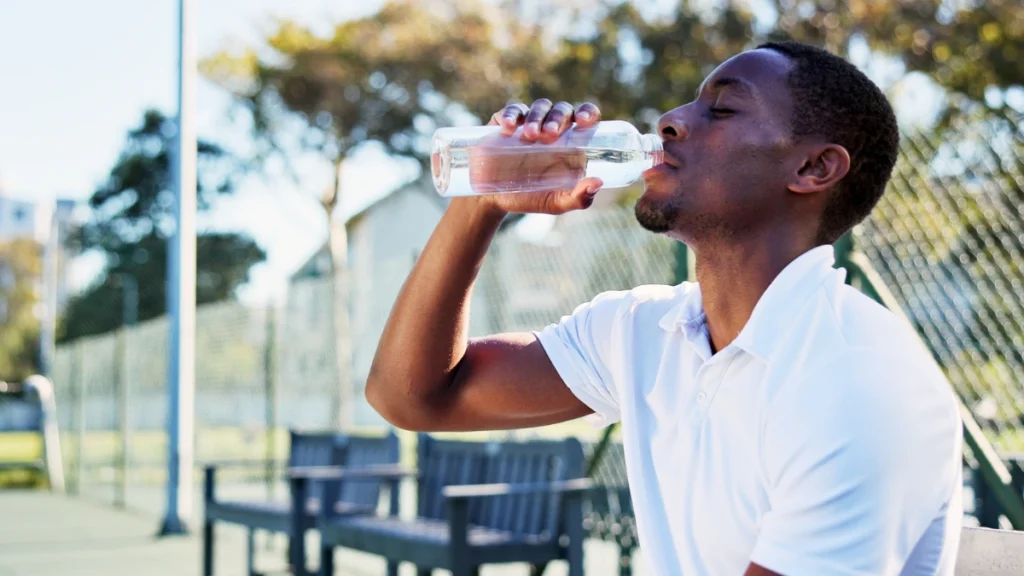
Cannabis doesn't cause dehydration — but summer heat adds a few variables worth knowing about before you head outside. Bloom budtender Michael B. breaks down what's actually happening when cannabis meets summer: the dry-mouth myth, the real indirect risks, and how to think about timing so your experience works with your plans rather than against them.
Wait — does cannabis actually dehydrate you?
The short answer is no. But the confusion is completely understandable.
The sensation people tend to associate with cannabis and dehydration is dry mouth — also called cottonmouth. It's one of the most commonly reported effects of cannabis use, and it genuinely feels like you haven't been drinking enough water. But what's happening in your body is different from dehydration.
"Cannabis doesn't directly cause dehydration, so no worries there," Michael B. says. "But there are a few things you should know to make sure you have a positive experience, especially in the summer heat."
A 2022 study published in Scientific Reports confirmed the mechanism: THC activates CB1 receptors expressed in the nerve endings that signal the submandibular salivary glands. When those receptors fire, saliva production temporarily slows. Your mouth goes dry, but your body isn't losing fluids — you just have less saliva for a while.
Michael puts it plainly: "You are not actually losing fluids." The dryness is real — the dehydration is not.
That distinction matters. Cottonmouth is a comfort issue. Staying hydrated handles it — not because water is replacing lost fluids, but because it addresses the dryness directly. Sip water, and you'll feel better.
How cannabis can indirectly affect your hydration
Direct dehydration: myth. But Michael is equally clear that cannabis can still play a role in dehydration through indirect routes — and summer is when those routes are most relevant.
The munchies factor. When THC ramps up appetite, summer environments mean salty snacks. Chips, pretzels, whatever's at the cookout. Salty food increases your body's demand for water, and if you're eating more salt without drinking more water to match, you can end up genuinely dehydrated. Cannabis didn't cause it directly — the snacking-plus-not-drinking combination did. "Maybe you forget to consume water as well — then yes, cannabis could be partially blamed," Michael notes.
The physical activity factor. One of the most consistent and well-documented acute effects of cannabis is increased heart rate — research published in a peer-reviewed NIH cardiovascular review found THC can increase heart rate by 20 to 100 percent over baseline, with the effect lasting up to several hours. On its own, that's a manageable cardiovascular response for most healthy adults. But when you're physically active in summer heat, your heart is already working to meet the demands of both exercise and thermoregulation simultaneously. Stacking cannabis-related cardiovascular changes on top of that means your body is managing more at once — and that translates to higher fluid and electrolyte needs, not because cannabis directly dehydrates you, but because of what the combination demands from your system. If you're planning to use cannabis before or during physical activity in the heat, treating your hydration the same way you would for a harder workout is the right instinct.
Neither of these is a reason to avoid cannabis in summer. Both are reasons to be deliberate about what you're drinking.
Summer activity and cannabis — timing matters
One of the most practical questions Michael hears every warm season is some version of: when should I use cannabis if I'm going to be outside?
There's no universal right answer, and Michael doesn't offer one. "There is no perfect time for everyone on when to consume or not consume cannabis," he says. "Understand how your body reacts to cannabis and go with what works best for you."
What does help is understanding how long effects are likely to last — so you're not an hour into a hike and surprised by where you are in the experience. Inhalation tends to produce effects that arrive faster and wind down sooner. Edibles take longer to set in and last considerably longer, which becomes practically meaningful when you've got a full afternoon of outdoor plans. For a full breakdown of what drives that timing by consumption method, our guide to how long a cannabis high lasts covers it in detail.
A few summer-specific considerations worth thinking through:
Heat can intensify the physical experience. Being in direct sun with an elevated heart rate is a different environment from sitting inside. If you're using cannabis in a new outdoor context — or trying a new product or dose — give yourself more margin than you might at home. Starting lower than usual leaves room to calibrate before you're committed to four hours in the sun.
Activity stacking matters. Using cannabis right before strenuous physical activity in the heat layers cardiovascular stress from cannabis on top of exercise on top of ambient heat. Experienced users who know how their body handles that combination will navigate it differently than someone testing it for the first time on a 90-degree afternoon. Evening use generally carries fewer of these variables: lower temperature, less physical demand, a more predictable window.
How heat affects what you're consuming
Summer heat doesn't just affect your experience — it affects your products.
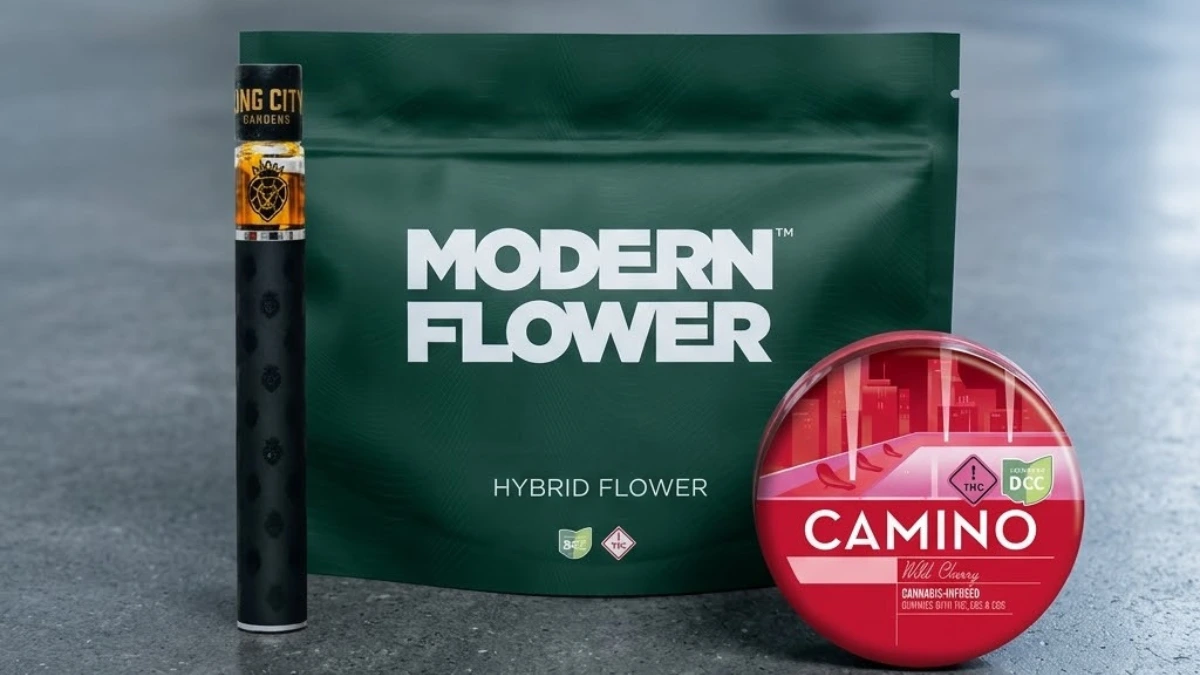
Flower degrades faster in heat and humidity, losing potency and aroma more quickly than it would in a cool, dry environment. Vape cartridges can develop air bubbles or leak when they get too warm. Edibles — especially gummies and chocolate — melt, stick together, and become difficult to dose accurately. Concentrates can separate or become too runny to use cleanly.
None of this makes the product unsafe, but it can affect the experience and how easy a product is to work with. The fix isn't complicated: keep cannabis out of hot cars, direct sunlight, and humid spaces. If you want a detailed breakdown of proper storage by product type, our cannabis storage guide covers it fully. For summer specifically — a small insulated bag, opaque containers, and a consistent indoor storage spot between uses covers most of it.
Michael B.'s summer bottom line
When Michael closes out a summer cannabis conversation, the advice comes down to a few consistent points.
Drink water consistently, not just when you're thirsty. Thirst is a lagging signal. By the time you notice it, especially in heat, you're already behind. If you're using cannabis outdoors in summer, make water intake a deliberate habit — not a reaction to feeling parched.
Replenish electrolytes. Water alone doesn't replace everything you lose through sweat. Sports drinks, electrolyte tablets, or electrolyte-forward foods like coconut water matter more on active, hot days than on a quiet evening inside.
Know how your body responds — and give yourself room to calibrate. The same dose that felt comfortable in a familiar indoor setting may feel more noticeable under the summer sun. That's not a reason to stay home; it's a reason to start a little lower in new contexts and work from there. "Always remember to hydrate with water consistently and replenish electrolytes," Michael says. And when in doubt, go with what you know your body handles.
Frequently asked questions
Does cannabis cause dehydration?
Cannabis doesn't directly cause dehydration. Cottonmouth — the dry-mouth sensation common with cannabis use — happens because THC activates CB1 receptors near the salivary glands, temporarily slowing saliva production. You feel dry, but your body isn't losing fluids. Cannabis can contribute indirectly, though: through salty snacking without adequate water intake, or through the demands of physical activity in heat — research shows THC acutely increases heart rate, which adds cardiovascular stress on top of what exercise in summer heat already places on the body, increasing your overall fluid needs.
Is it safe to use cannabis in the sun or heat?
For most adults in states where cannabis is legal, using cannabis outdoors in summer is a normal part of the season — and it can be comfortable with the right approach. The main considerations are staying consistently hydrated, being mindful of your activity level, and understanding how cannabis affects your heart rate and body's demands individually. If you're in a new outdoor setting or trying a new product, starting with a lower dose than usual gives you room to see how your body responds before you're committed to a full afternoon in the heat.
What's the best time of day to use cannabis in summer?
It depends on your plans and how your body responds — there's no answer that's right for everyone. The most practical approach is to match your timing to your activity: if you have physically demanding or high-heat plans ahead, knowing how long your chosen consumption method's effects typically last helps you plan your day rather than being caught off guard mid-activity. Our guide to how long a cannabis high lasts breaks that down by method.
This article is for informational purposes only and is not medical advice. Cannabis affects individuals differently. Consult a qualified healthcare provider before using cannabis, especially if you have a medical condition, are pregnant or breastfeeding, or take prescription medications. Cannabis laws and available products vary by state — check your local regulations. Do not drive or operate machinery while using cannabis. Keep cannabis products out of reach of children and pets.
