
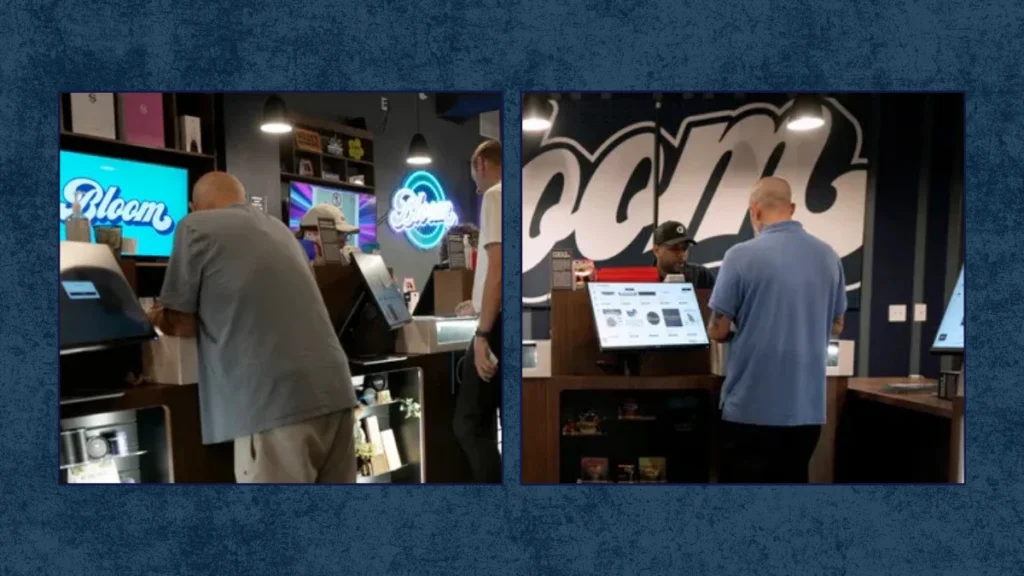
"I want something for sleep" is one of the most common things we hear at the counter. It's a great place to start. But here's the thing most people don't realize: it's the start of a conversation, not a finished order. There's no single "sleep product" we can hand you and send you on your way. What we can do is narrow it down fast — and the more you tell us, the better that goes.
So here's what's actually running through a budtender's head when you say it, in the order we tend to think about it, plus the questions worth bringing to the counter so you walk out with something that fits you.
What a budtender hears when you say "I want something for sleep"
Honestly? We hear a starting point. "Sleep" can mean a dozen different things — trouble falling asleep, waking up at 3 a.m., wanting to feel relaxed enough to wind down. It can also mean very different things for a first-time customer than for someone who's used cannabis for years.
When Ryan, one of our budtenders, hears it, his mind goes straight to a short mental checklist. First he thinks about cannabinoid ratios — specifically CBN and CBD. Then he thinks about formats, roughly in this order: edibles first, then indica-leaning flower and vapes, then other oral options like capsules, and tinctures. We'll walk through each of those below.
If you want the science of how cannabis and sleep actually interact — what the research does and doesn't show — that lives in our cannabis and sleep guide. This post is about the counter conversation: what we reach for, and why.
Why we start with cannabinoids, not strains
Most people walk in thinking about strains. We usually start a step earlier, with cannabinoids — the active compounds in the plant.
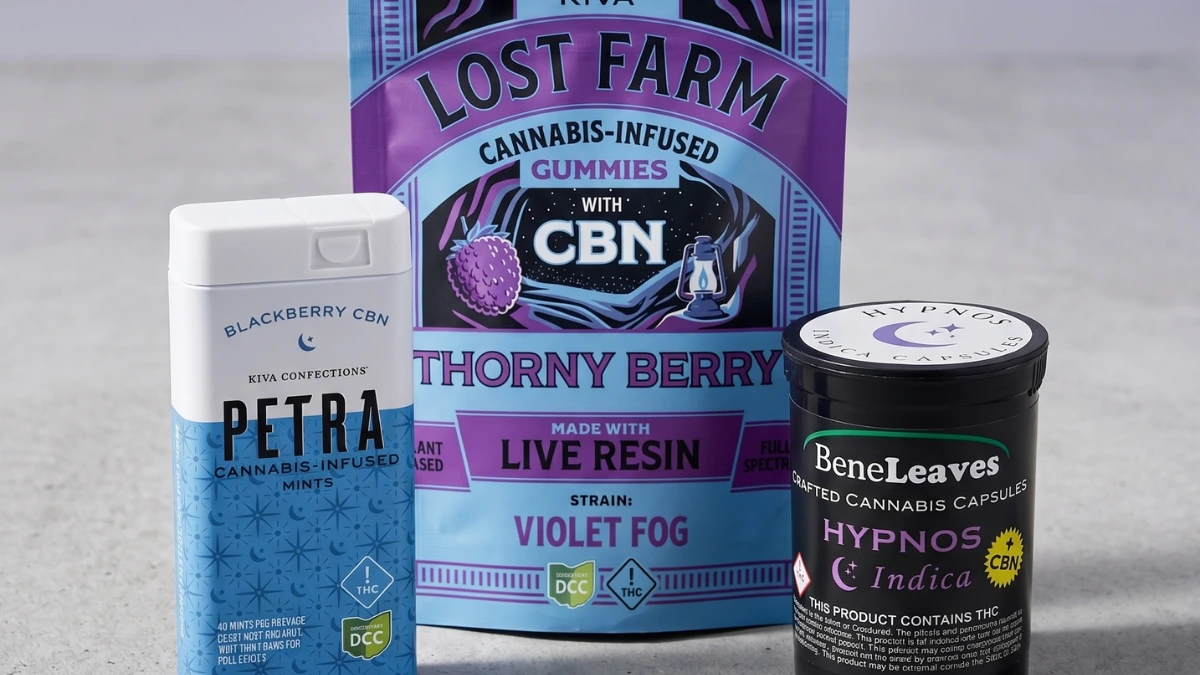
For sleep, two come up the most. CBN is a minor cannabinoid that a lot of customers specifically reach for at night; you'll see it featured in products marketed for evening or "PM" use. CBD often gets paired with THC to round out the experience. The ratio between these — how much of each is in a product — changes the feel quite a bit, which is why we ask about it before we ask about anything else.
You don't need to memorize the chemistry. But knowing that ratio is a lever helps the whole conversation. If you're curious how these compounds differ, our guide to major vs. minor cannabinoids breaks it down.
Why edibles are usually our first suggestion
When someone's new to shopping for sleep, edibles are often where we point first — and it comes down to options.
Edibles give you the widest range to dial in. Gummies, mints, and capsules come in lots of different THC, CBD, and CBN ratios, so you can adjust until you find what works without committing to one big format. That flexibility is exactly what you want when you're still figuring out your own response.
One practical note: edibles take longer to kick in than inhaled products — often 30 minutes to two hours — and the effects last longer too. That slower, longer arc can be a good fit for overnight, but it means planning ahead rather than reaching for one right at bedtime. A low starting dose is the smart move while you learn how your body responds. Our edibles dosage guide walks through how to think about that.
Where flower and vapes fit in
If you'd rather inhale than wait on an edible, flower and vapes are the next stop. Here we look at a few indica-leaning strains known for relaxation as a starting point — names like Northern Lights and Bubba Kush come up a lot because many customers associate them with winding down.
Worth being straight with you, though: the indica/sativa label is a rough guide, not a guarantee. Strains affect people differently depending on your own body and tolerance, so there's some trial and error here. What relaxes one person might do less for another. We treat those first picks as a place to begin, not a final answer. If the indica-vs-sativa framing is new to you, our sativa vs. indica vs. hybrid guide covers what those labels really mean.
What about capsules and tinctures?
These two get less attention but are quietly great options, especially if edibles and flower aren't your thing.
Capsules give you a consistent, pre-measured dose with no guesswork and no smell — handy if you want something simple and discreet to fold into a nightly routine. Tinctures are liquid drops you take by mouth, and they come in a variety of ratios so you can fine-tune the amount. Both are oral options, so like edibles they tend to come on gradually and stick around. They're solid choices when you want control over the dose and a format that's easy to keep by the nightstand.
What to actually ask at the counter
Here's the payoff. You don't need to know any of the above cold — that's our job. But walking in with a few questions makes the conversation faster and gets you to the right product sooner. Bring these:
- "What ratio would you start me on?" Tell us if you're new or experienced — it changes the CBN/CBD/THC mix we'd suggest.
- "Which format fits my routine?" Mention whether you want to inhale, swallow, or take drops, and roughly when in your evening you'd use it.
- "How long before bed should I take this?" Onset varies a lot between formats, and timing matters more than people expect.
- "How has this worked for other customers?" We talk to people every day. We can tell you what tends to land for folks in a similar spot.
- "What if it's too strong, or doesn't do anything?" Ask up front. There's almost always an adjustment — a lower dose, a different ratio, a different format.
That last one matters most. Finding your sleep product is rarely one-and-done. It's a bit of trial and error, and we'd genuinely rather you come back and tell us "that was too much" than give up on it. We'll keep working with you until we dial in what fits — based on what the science suggests and what we hear back from customers. For the deeper "why" behind any of these choices, the cannabis and sleep guide has you covered.
Availability, product types, and what's legal depend on where you live — cannabis laws vary by state, so check your local regulations before you shop.
This article is for informational purposes only and is not medical advice. Cannabis affects individuals differently. Consult a qualified healthcare provider before using cannabis, especially if you have a medical condition, are pregnant or breastfeeding, or take prescription medications. Cannabis laws and available products vary by state — check your local regulations. Do not drive or operate machinery while using cannabis. Keep cannabis products out of reach of children and pets.
